Wireless sensors and Yggio, the open operational layer for cities, property owners and transport operators. Your data, your operations, your sovereignty.

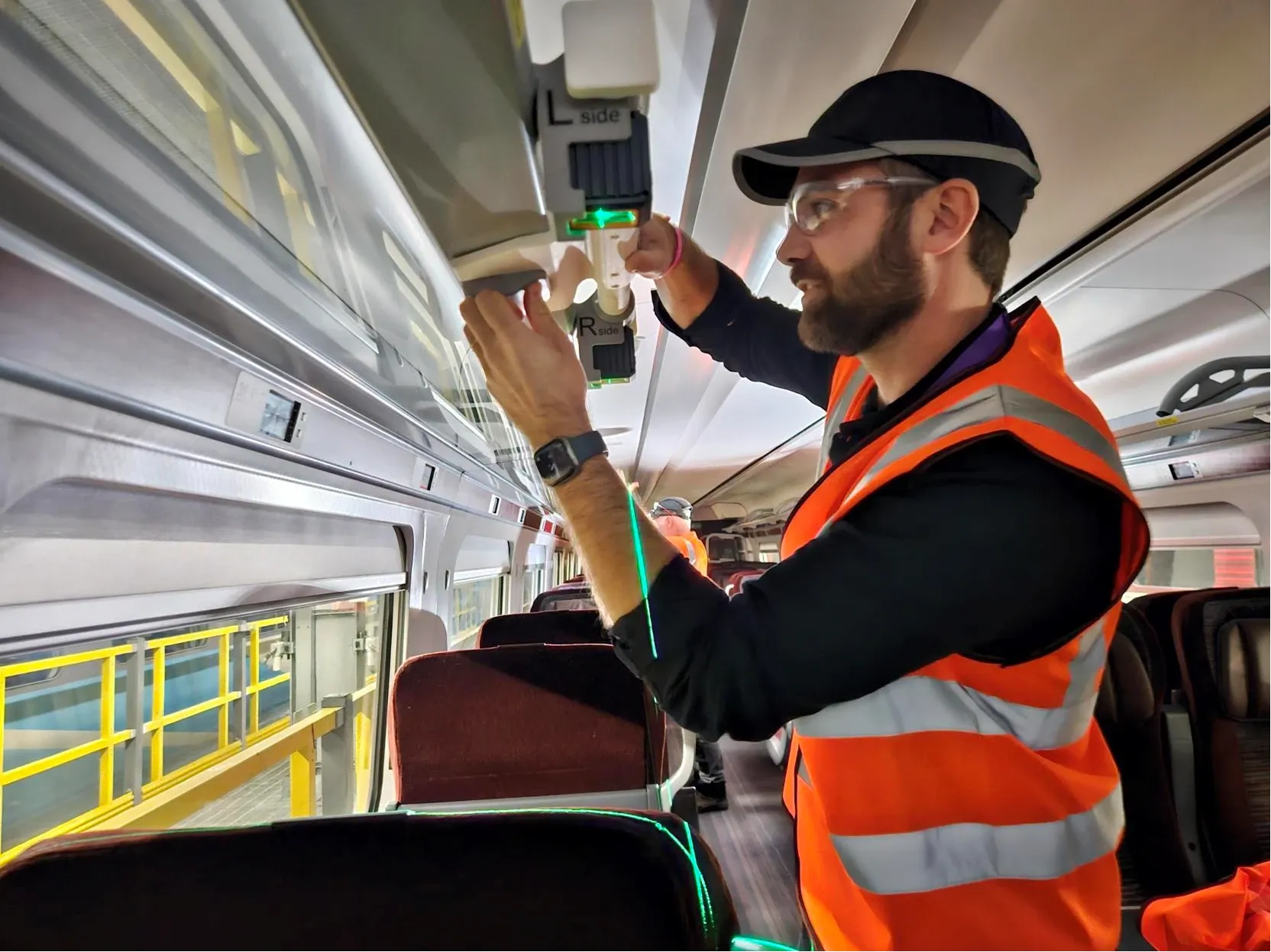
Niclas Öhrn from Sensative fitting Prism seat sensors under the luggage rack of a UK train, with a laser-guided mounting jig

LNER - more than 36,000 SeatSense sensors across the Azuma fleet

Ongoing
Customer: London North Eastern Railway (LNER)
← Back to Customer Projects
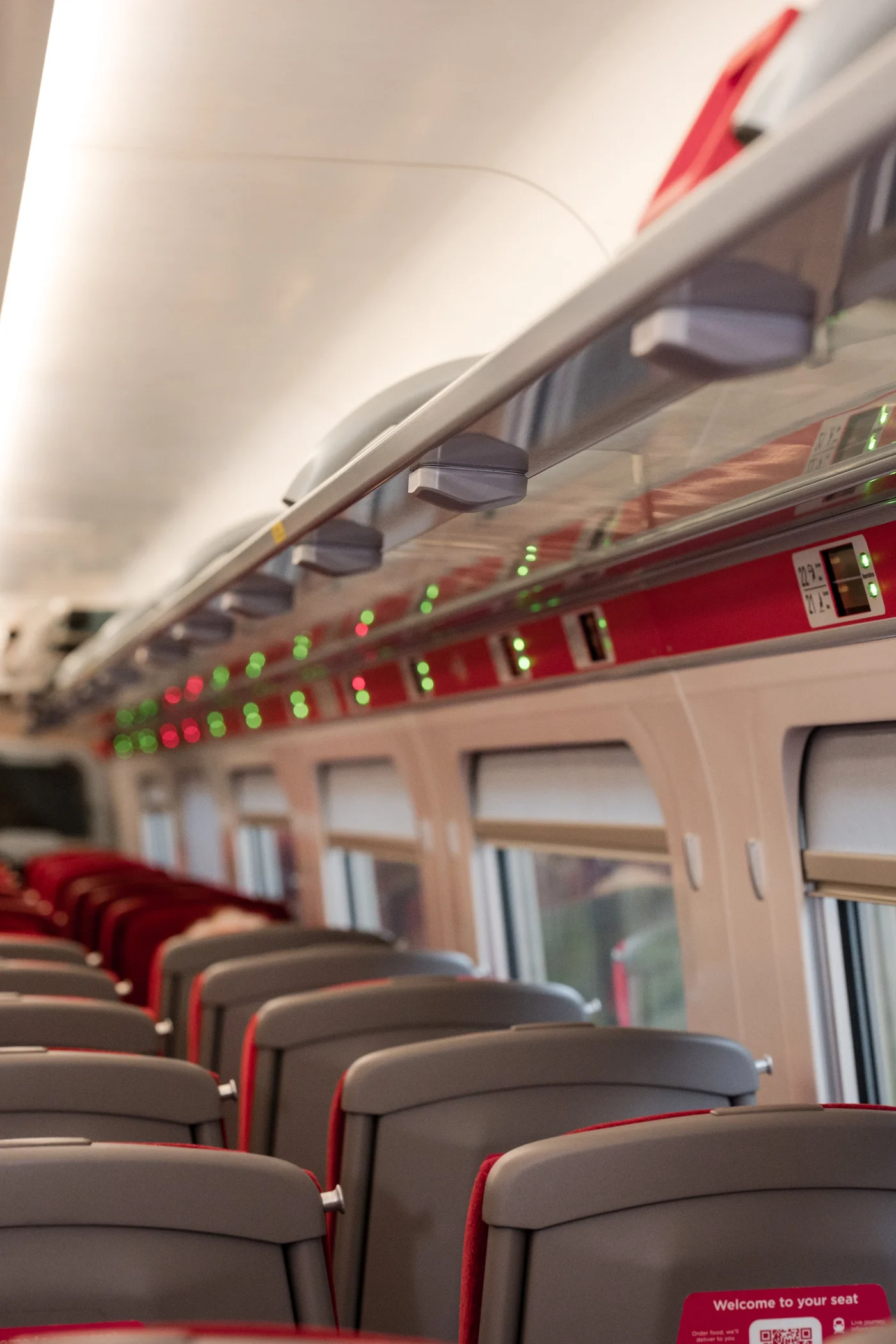
Inside an LNER Azuma coach: SeatSense sensors under the luggage rail and the seat-status lights along it

Background

On a long-distance train the question is simple and constant: is this seat free? Reservation data answers it only partly. A reserved seat may stay empty for the whole journey, an unreserved one may be taken, and a seat that is free now may be reserved from the next station. That is why Azuma trains used to show the hedge “May be reserved later”.

LNER trialled SeatSense, Sensative’s seat-occupancy system, on Azuma services and measured its accuracy in live operation at more than 98 per cent. In February 2026 LNER announced the roll-out across the whole Azuma fleet: more than 36,000 sensors, one above every seat and every wheelchair space.
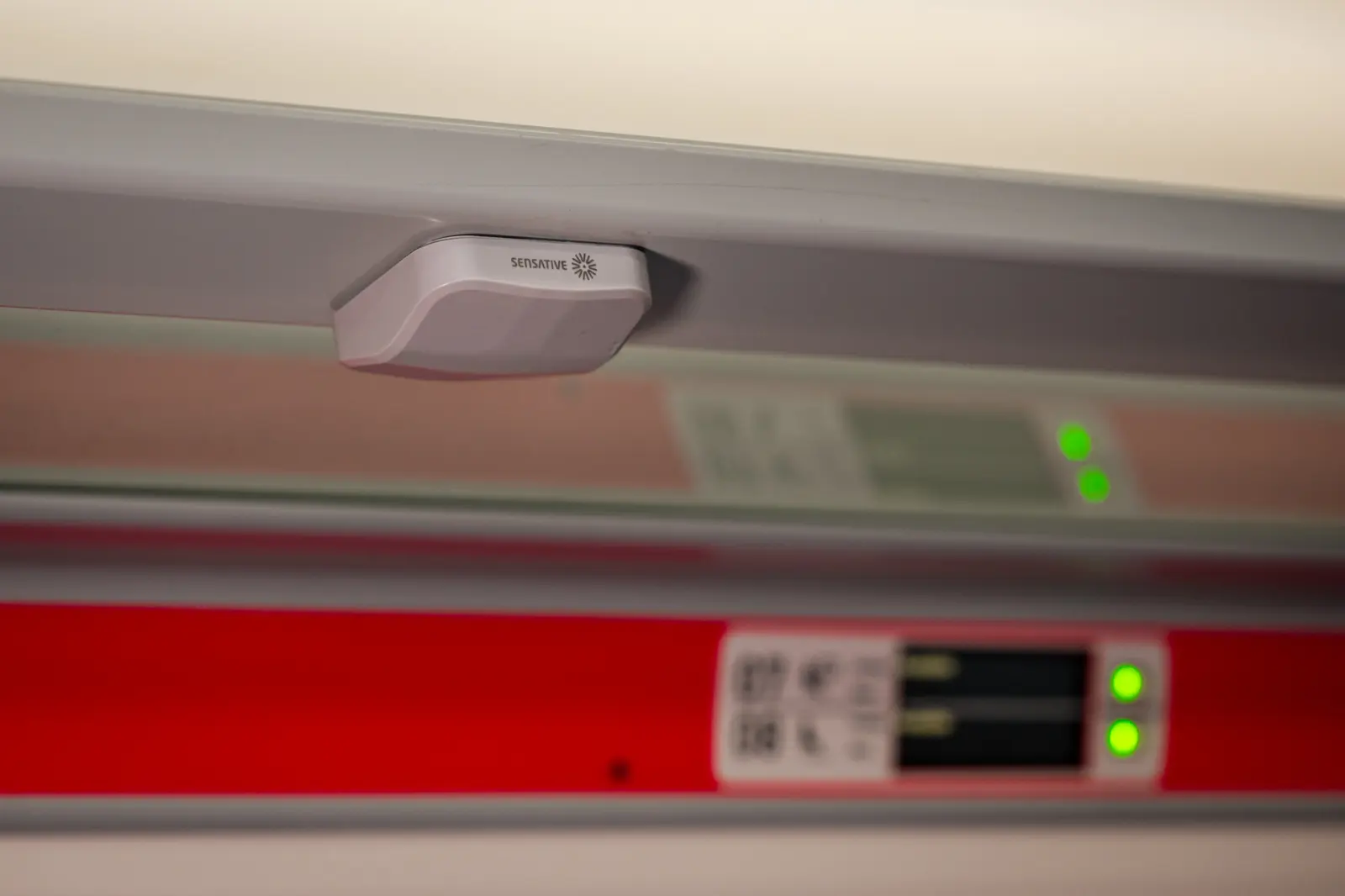
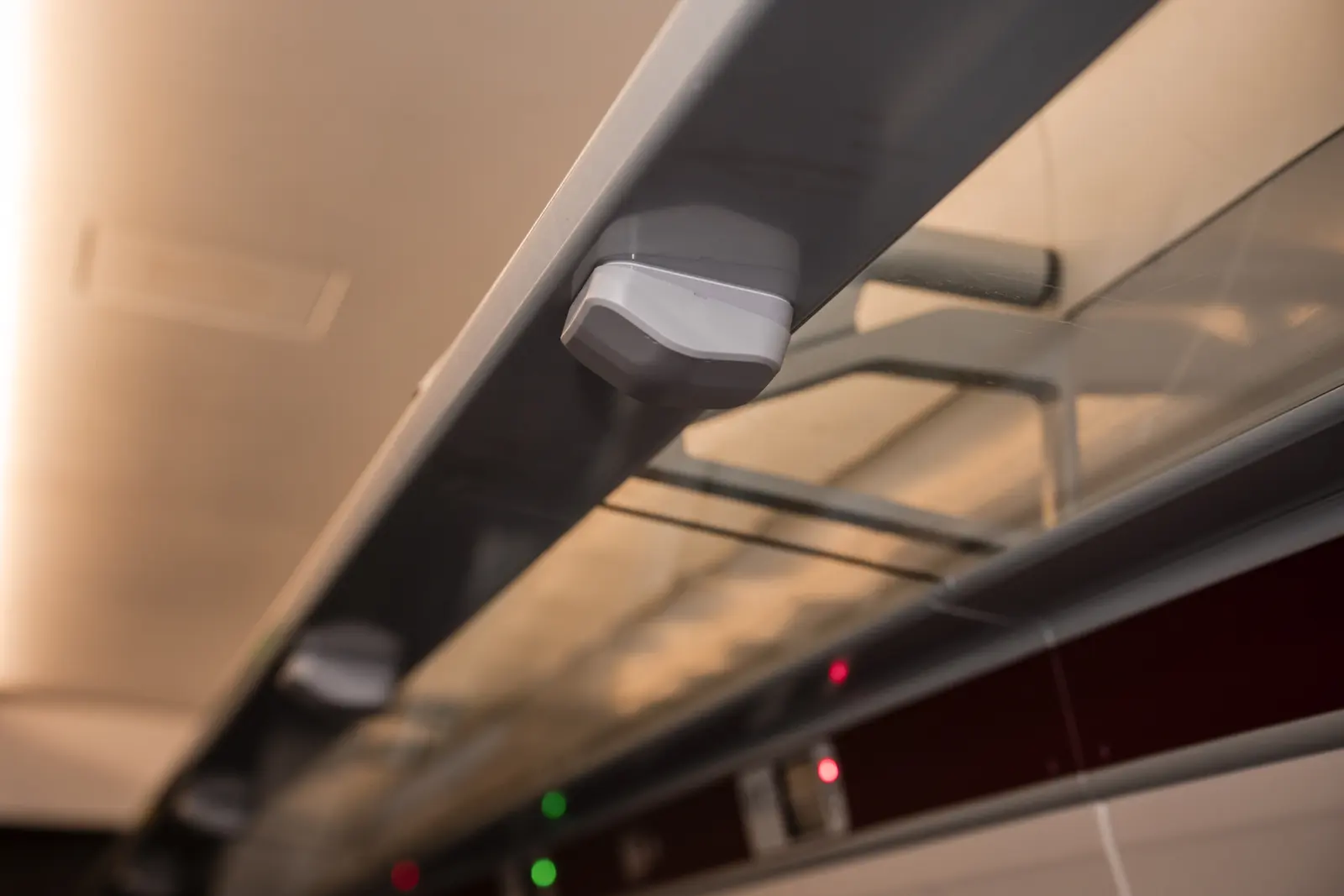
A Prism sensor under the luggage rack of an LNER Azuma coach, above the seat-reservation panel with its green seat-status lights

What passengers see

Every seat and wheelchair space shows a colour-coded status: green for available, red for reserved, and amber for a seat that is free now but reserved later in the journey. The status is live, from the sensor, so an empty reserved seat and an occupied unreserved one are both shown as they are. The “May be reserved later” message is gone from the Azuma trains.

Close-up of a Prism radar sensor under the luggage rack, looking down at the seat below

How it works

The sensor is Sensative’s Prism: a radar that looks down at the seat from under the luggage rail and reports occupied or vacant, with no camera, no image and nothing that identifies a person. It is fitted with adhesive, needs no cabling, runs on a single energy-efficient battery cell, and is certified for rolling stock. Radio-wave seat sensing at this scale is a first for the railway industry.

Occupancy from every seat flows through Yggio to the train’s passenger information and to LNER’s own systems, so the same data that lights the indicator above a seat also tells the operator how the fleet is actually used.

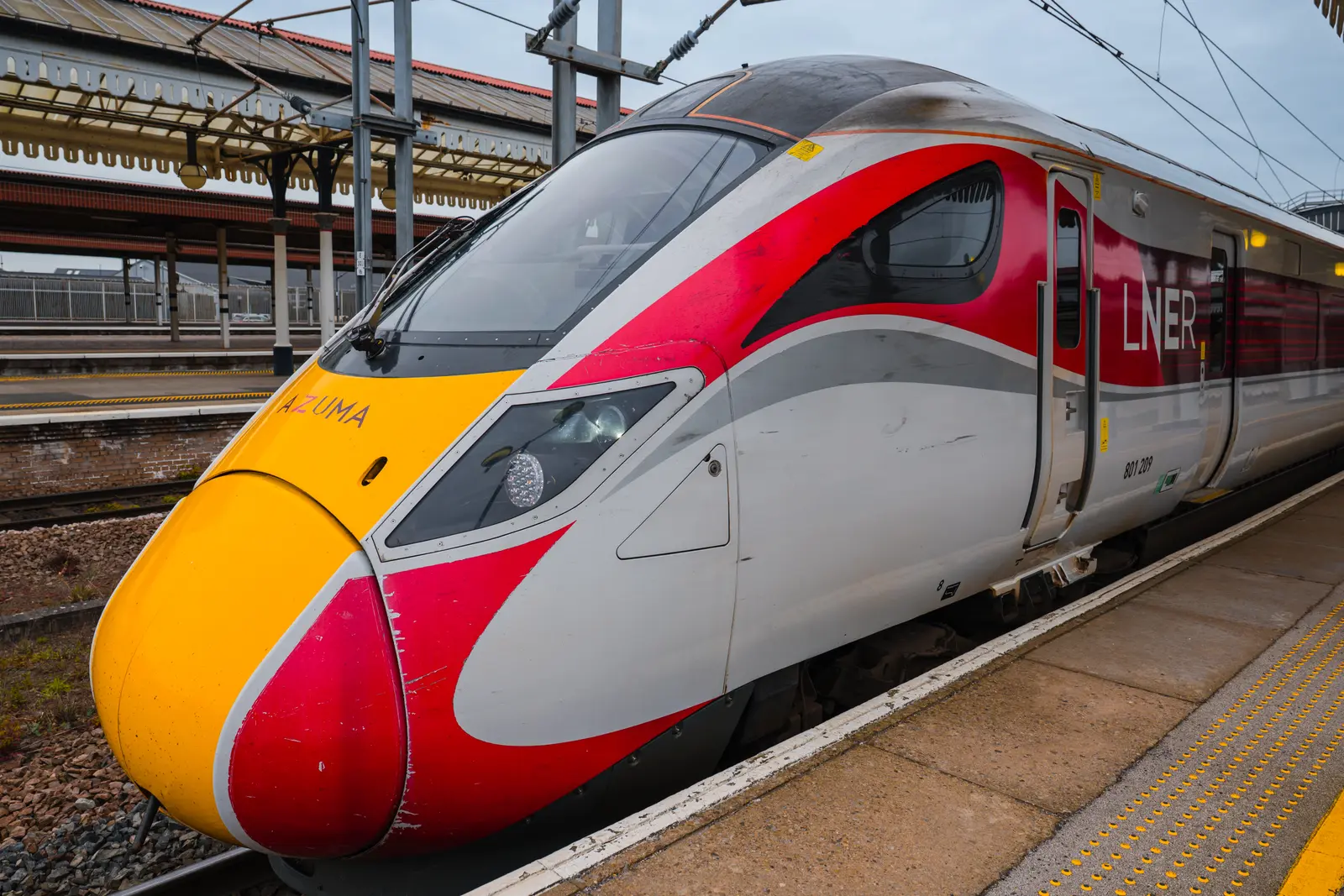
An LNER Azuma train at a platform under the roof of York station

What LNER gets

Beyond finding a seat: real occupancy per service, per coach and per seat, which LNER uses to forecast demand and plan capacity on how trains are actually used rather than on bookings. David Flesher, Commercial Director at LNER, called the technology “a gamechanger” for LNER and the rail industry, with real-time data that helps customers and colleagues alike.

Johan Frilund, CEO of Sensative, summed up what the project proved: that high-accuracy, battery-powered seat occupancy sensing can be installed at scale, certified for rail use, and deployed on a live fleet without affecting service, and that this sets a new reference point for using trusted, infrastructure-grade data in operational decisions.

RailSeatSensePrismYggio
Customer

Customer project enquiries

sales@sensative.com