Wireless sensors and Yggio, the open operational layer for cities, property owners and transport operators. Your data, your operations, your sovereignty.

AI for Cities

AI that helps the city run.

A city runs on thousands of sensors and systems: water, energy, traffic, buildings, street lighting, the rescue services. AI in Yggio reads them together and helps the people who run them act sooner and with more certainty.

All of it runs in the operational layer the city controls, with one data model, one set of access rights and one audit trail.

Ask the city… Which sensors can I not trust?
1
Data quality

Good AI needs good data, and AI guards it

AI doesn’t fix bad data; it amplifies it. So the first job for AI is the data itself.

A model learns how each sensor normally behaves and flags drift, spikes and silent sensors before anyone acts on a bad value.

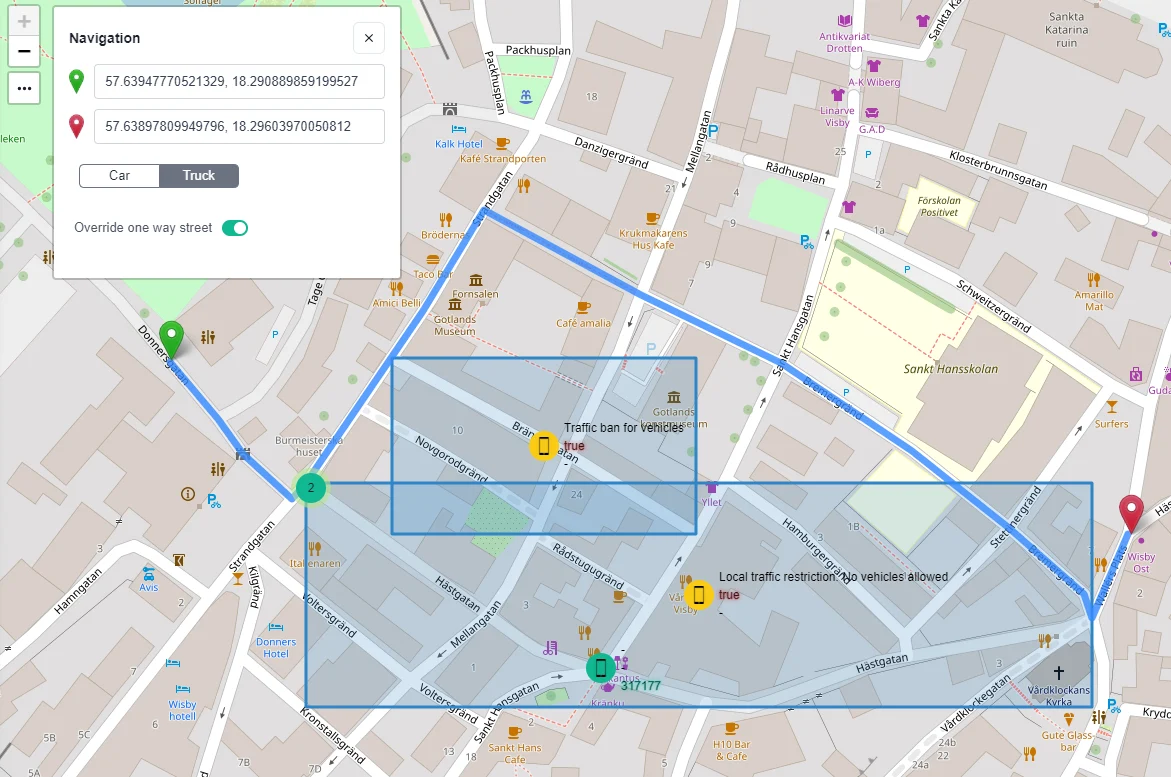
Yggio navigation for a rescue vehicle: a route around two blocked areas marked on the map, with car or truck and one-way override options
2
AI agents · Rescue services, Gotland

The fire engine takes the open road

AI-based navigation around blocked roads, developed with the rescue services on Gotland and funded by Vinnova. One agent reads road-works plans arriving by email (as PDF, table or free text) and blocks the right road at the right time. Another watches traffic sensors and blocks a road when it spots an anomaly.

Routes for cars and trucks go around every block, may use one-way streets the wrong way, and reach the blue-light systems through Yggio’s open API. The function is now part of standard Yggio.

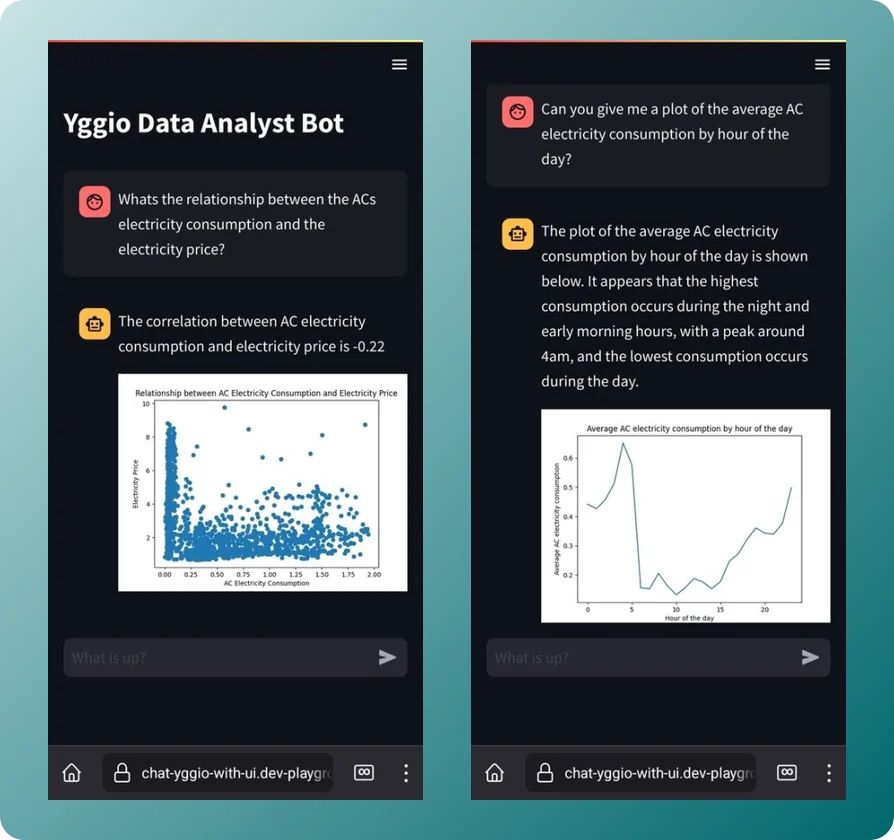
The Yggio Data Analyst Bot on a phone, answering questions about electricity use with a correlation and a plot by hour
3
Coming next · Chat with the city’s data

Ask in plain language, within your rights

Next on the Yggio roadmap: staff ask a question and get an analysis, a chart or a table back, from the live data they are allowed to see.

AI assistants and agents will reach the data through Yggio’s MCP server, and only what the access rights manager grants them. Local language models keep the data inside the city’s own environment.

4
Energy optimisation

Buildings are where it pays first

Once you know what normal looks like, you can steer.

AI learns how each building responds to weather and use, and plans heating ahead instead of chasing it.

5
Edge and cloud

And it runs where the data is

The edge gives fast response, privacy and resilience; the cloud gives training and the fleet-wide view.

Small models now run inside the sensor itself.

Start with one problem

Tell us what you want AI to do for your city. We will show you how far Yggio gets you today and where our research is heading.