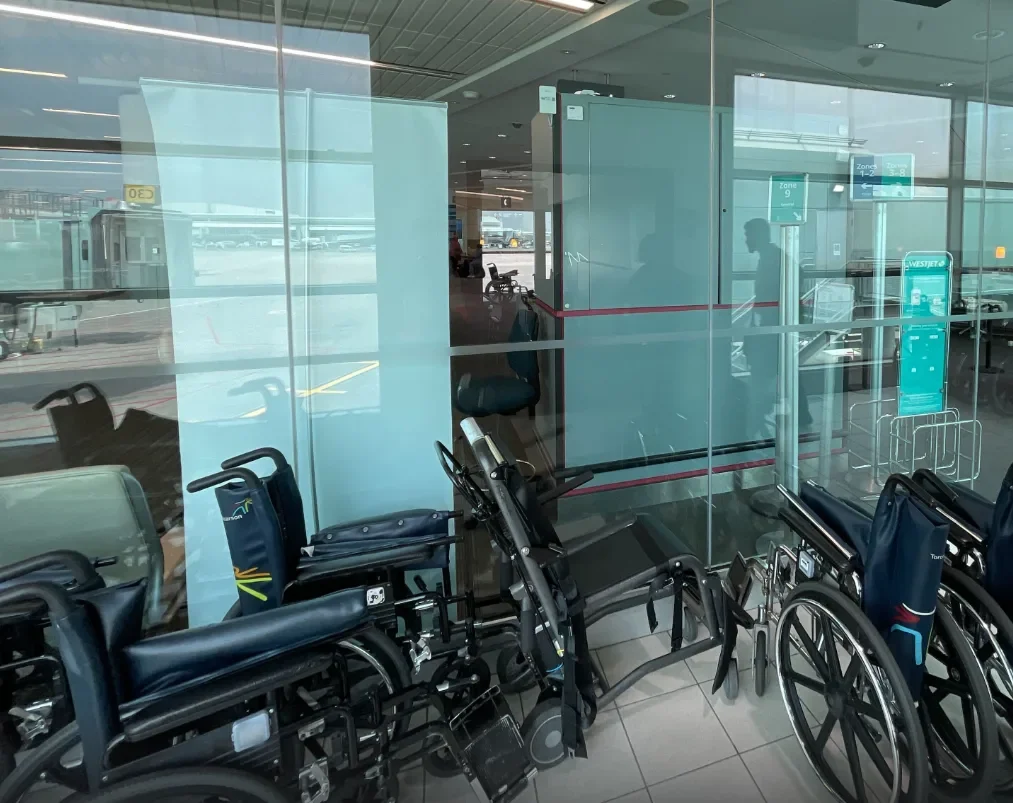
Asset tracking for everything that moves
Usually the asset is still there. What goes missing is the information about where it is.
The cost of not knowing where things are
Every large site has assets that move, and staff who spend part of every shift looking for them. Somebody walks the site to find a wheelchair, a cart, a pump, a machine. That search is unbilled, unmeasured and repeated every shift.
When assets cannot be found, the usual fix is to buy more of them or rent replacements, so the fleet grows to cover a location problem rather than a capacity one. Assets leave with a contractor, a patient transfer or a passenger, and nobody notices until inventory. Without a last known position there is nothing to investigate.
Service intervals end up scheduled by calendar rather than by actual use, and inspection status lives in a binder, so condition and location are never in the same place at the same time.
Ask your operations team how much of a shift goes into looking for equipment. The number is usually a surprise.
Where is it, and where has it been?
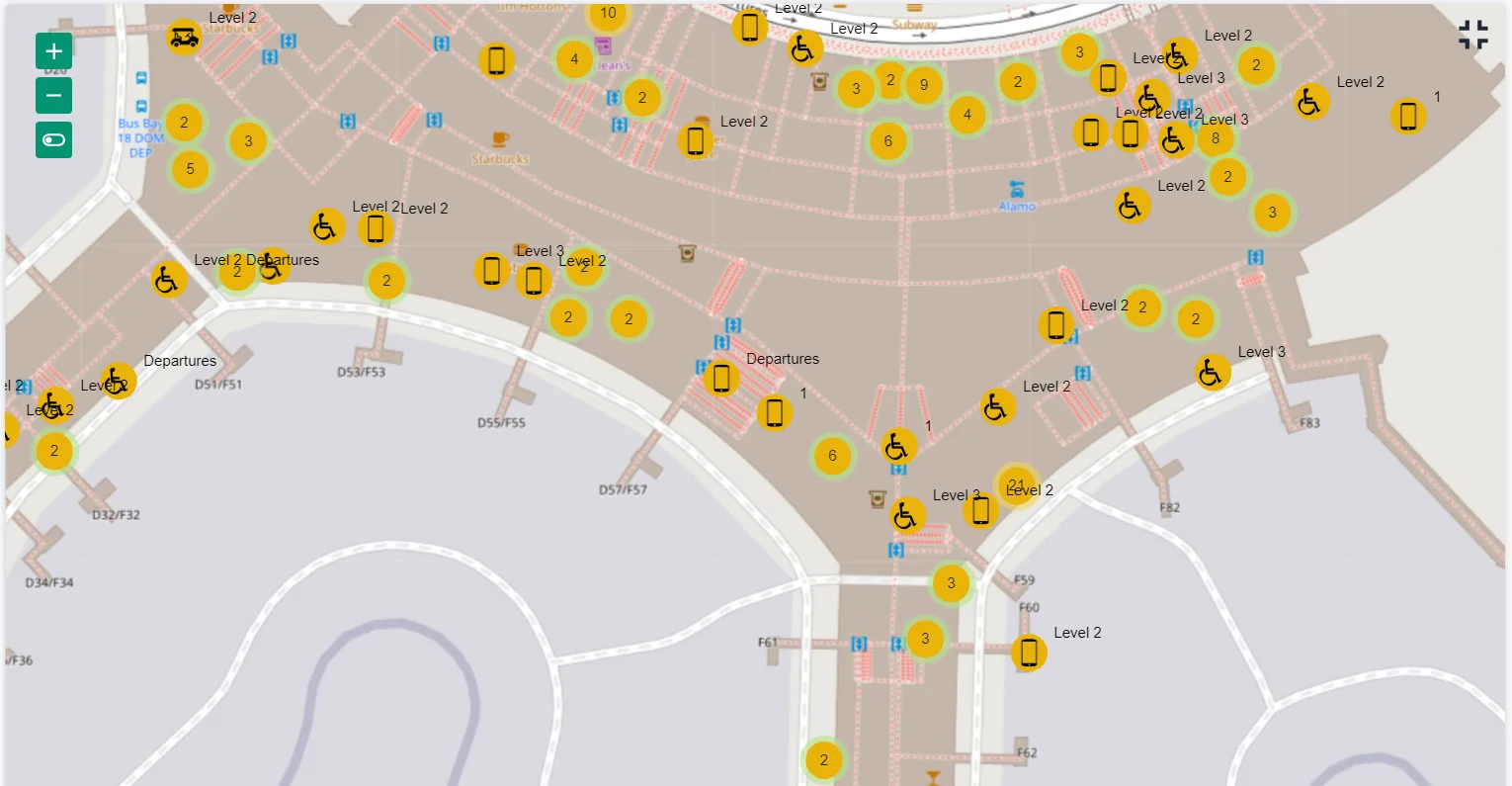
- Live position on a map or floorplan, accurate enough to walk to it
- Outdoors, indoors, and on the right floor
- Movement history, dwell time and route
- The basis for utilisation, hand-over disputes and loss investigation
Is it where it should be, and how is it?
- Zones, geofences and stocking levels per area
- Is this area understocked, is this cart in a restricted zone, has this asset left the site?
- Inspection status, repairs, impact and service history
- Held against the same asset record as its position
From movement to action, in five steps
Sense: a 3D accelerometer wakes the tracker on movement, so a stationary asset stays quiet and spends nothing. Locate: the tracker scans Wi-Fi access points and, outdoors, GNSS satellites, capturing raw observations only. Transmit: one short LoRaWAN uplink, OTAA-joined and AES-encrypted, over a network that reaches the whole site.
Resolve: Yggio and the cloud positioning service turn those observations into a position, a floor and a zone. Act: map, alarm, work order, report, or your own system through the API, so the position becomes an instruction.
The battery lasts because the tracker never computes a position itself. It sends what it heard, and the cloud solves where that is. And because LoRaWAN is your own network rather than a mobile subscription, the gateways can sit on your site and Yggio can run at the edge.
Pick the right method per asset
Wi-Fi indoors, GNSS outdoors, a barometer for the floor, and zones for the meaning. One tracker can combine several methods; the asset and its environment decide which ones matter.
The accuracy you need depends on the asset class. A bed that must be found on the right ward and the right floor is a different problem from a trailer that must be found in the right yard. Tell us the decision you need to make, and we will size the method to it.
Indoor asset tracking
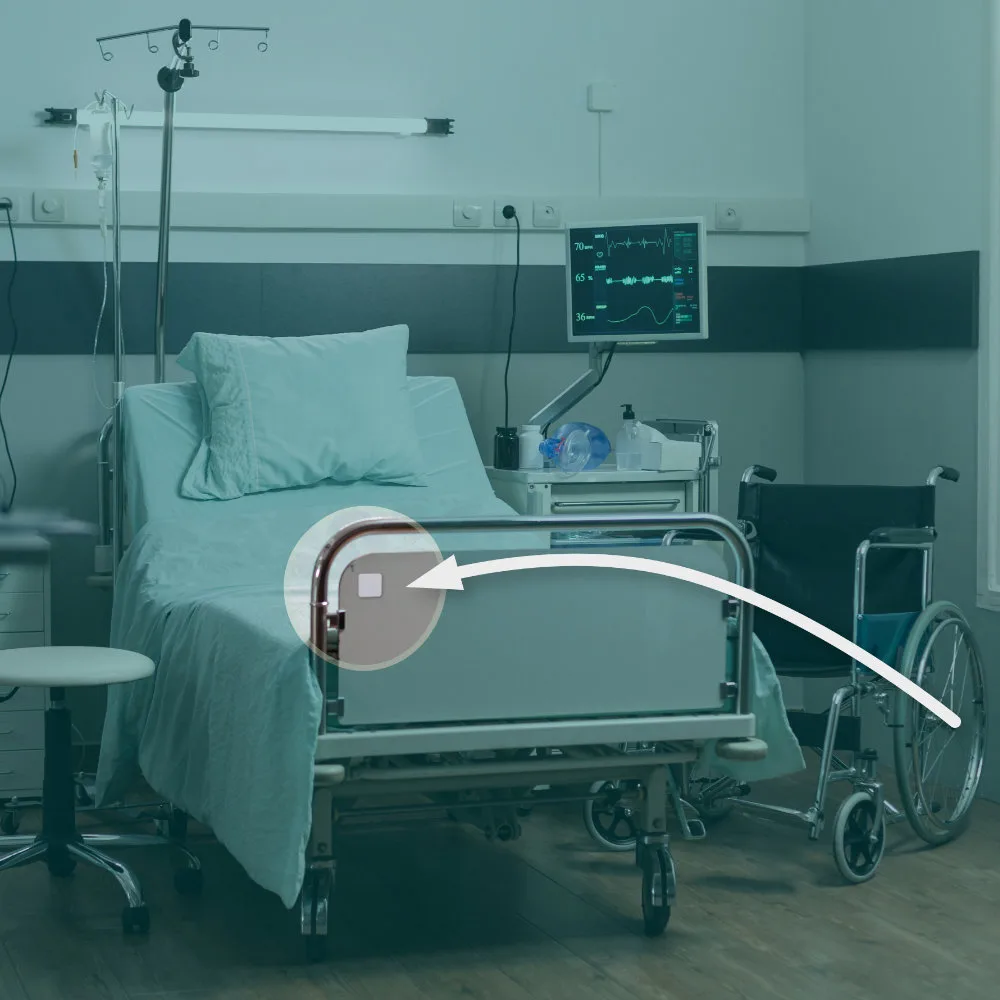
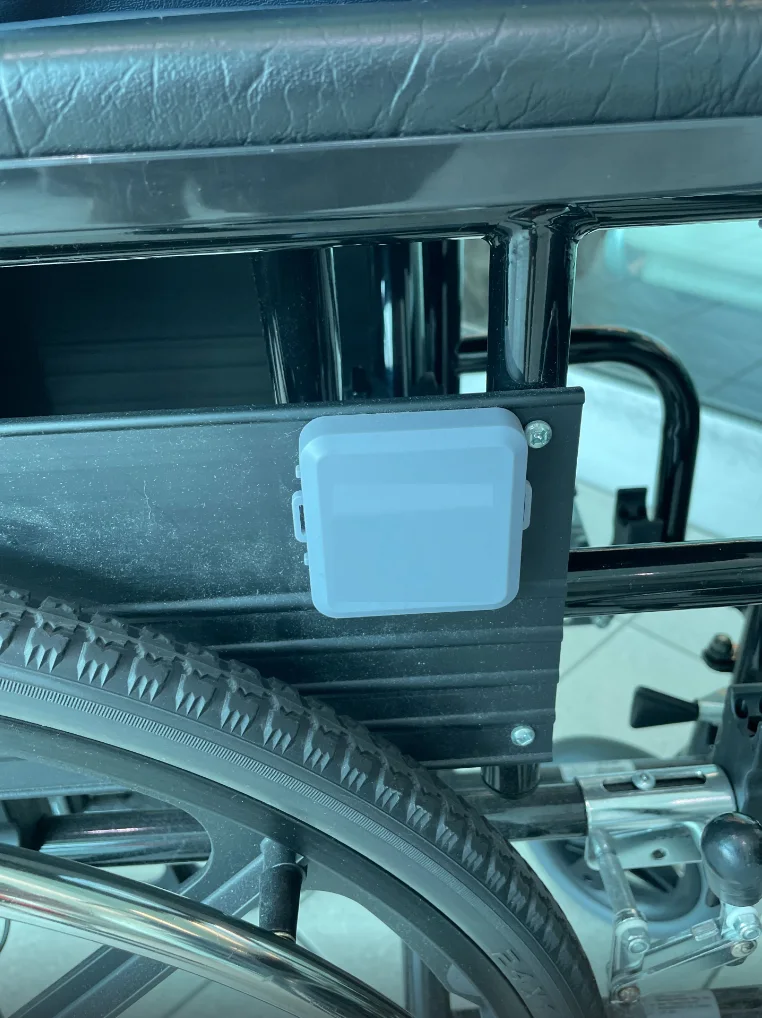
- 58 × 58 mm, IP63, mounts flat on a trolley, bed frame, cabinet or cart
- Cloud-based Wi-Fi positioning, plus air pressure so a service can estimate the floor against reference barometers
- Square Tracker: 7 mm and 750 mAh, ten years at 12 positions a day, for assets that move a few times a day
- Square Tracker L: 15 mm and 6,000 mAh, ten years at 100 positions a day, for assets in constant motion
Rugged tracking, indoors and out
- 67 × 60 × 13 mm, IP68 and IK06, with ten years of battery life at 72 positions a day
- Cloud-assisted GPS, BeiDou and Wi-Fi, outdoors and indoors from the same device
- Built for apron, yard, car park and loading dock, in all weather
- Screw, adhesive or cable-tie mounting
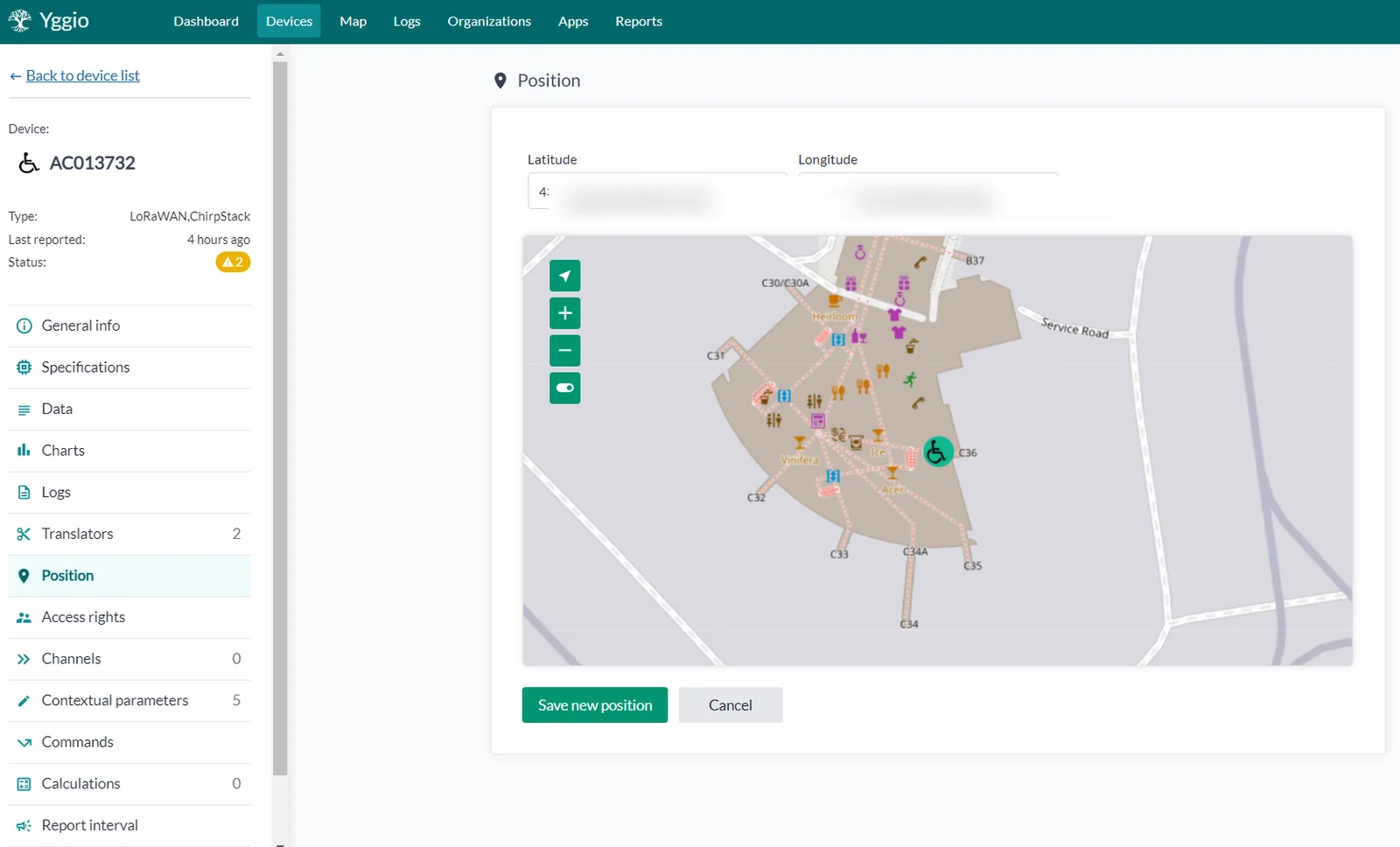
The operational layer behind the trackers
Position on its own changes nothing. Yggio holds the zones, the geofences and the rules that give a position meaning, keeps the movement history behind it, and carries the asset record (inspection status, service history, impact events) alongside the location.
That is what turns tracking into restocking, utilisation reporting, maintenance planning and loss prevention. Design the zones, rules and reports first, and the hardware becomes a detail.
What sets this apart is that one tracker covers the whole site, on infrastructure you own, and still lasts for years, with one data model for every asset class.