Overview
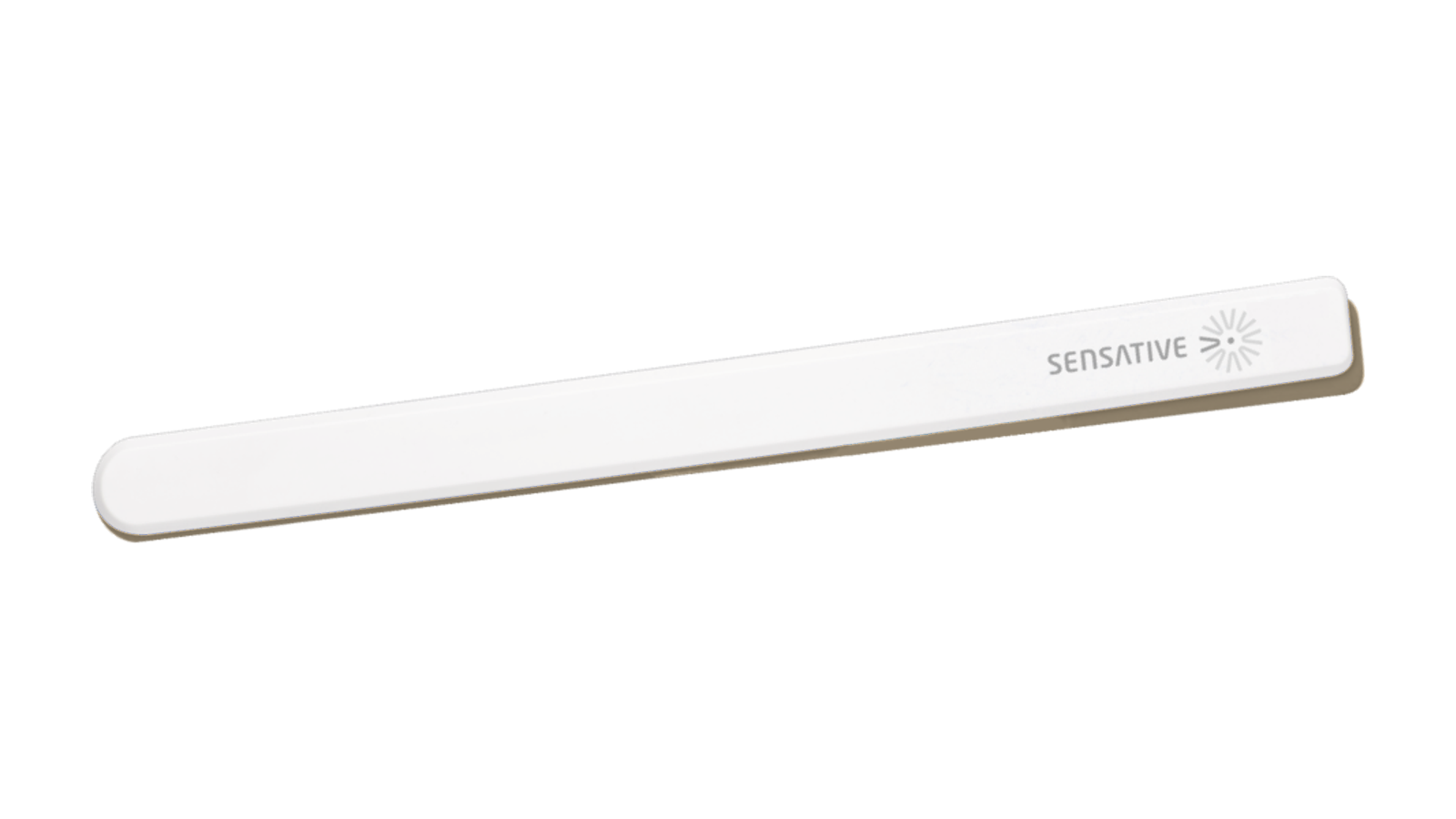
Strips Drip Oil senses in two layers. The outer layer alarms on any liquid at all: water, oil or coolant. The inner layer sits behind a water-repellent, oil-absorbing membrane, so water never reaches it while oil and other liquids do. One layer wet means water; both layers wet means oil or another non-water liquid, and the alarm says which.
Instead of Drip’s absorbent pad it carries only that thin foil, so at 4 mm it slides under machinery, along pipe runs and beneath tanks without modification, and IP67 lets it live in wet and oily places. Typical sites are wind turbines, lift shafts, oil stores, machining centres and remotely monitored plant: anywhere a leak can damage equipment or the environment before anyone sees it.
Specifications
- Sensors
- Two-layer capacitive liquid sensor (outer: any liquid; inner, behind oil-absorbing membrane: oil and other non-water liquids), temperature
- Alarms
- Water leak; oil or other liquid leak, reported separately; freeze
- Protocol
- LoRaWAN 1.0.4, Class A, OTAA
- Frequency
- EU868 · US915 · AU915 · AS923-1 · IN865
- Battery
- Built-in LiMnO₂, 480 mAh, 10+ years
- Range
- Up to 10 km line of sight
- IP rating
- IP67
- Operating temp
- –20 to +60 °C
- Dimensions
- 195 × 15 × 4 mm, 11 g
- Patent
- Capacitive oil sensor pending (EP 22817230.0, US 18/708,832, allowance received) · granted: SE 537 509 · EP 3053152 · EP 3937144 · US 9,953,496 · US 10,720,033 · US 11,170,617
Key features
- ✓Tells water from oil: Two sensing layers: the outer alarms on any liquid, the inner sits behind a water-repellent membrane and only oil and other non-water liquids reach it. Two alarms, one strip.
- ✓Under the machine, on the pipe: At 4 mm it fits where the first drops land: under gearboxes, along hydraulic lines and beneath tanks.
- ✓IP67: Dust-tight and waterproof, for machine rooms, turbines and outdoor plant.
- ✓Over ten years, no maintenance: One battery for over ten years across a whole facility.
Accesorios
- Strips +Clip: Un clip de montaje para Strips: sujeta el sensor cerca de superficies rugosas como hormigón, ladrillo o madera sin tratar, donde el adhesivo no agarra, y permite moverlo sin dejar rastro. Detalles